
„Godziny” Michaela Cunninghama
„Godziny” Michaela Cunninghama – o wyborach, które rzadko bywają proste, ale często są obciążone poważnymi konsekwencjami
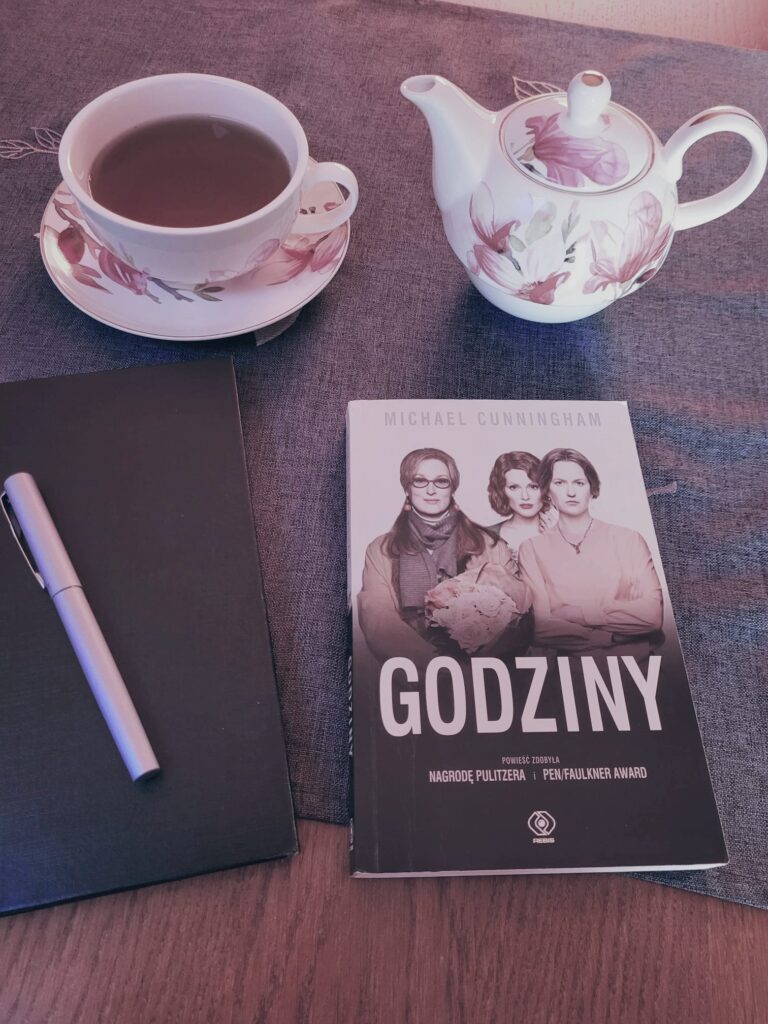
„Godziny” Michaela Cunninghama to powieść, po którą sięgnęłam zainspirowana nominowanym do Oscara filmem na jej podstawie. Cunningham czerpie z biografii Virginii Woolf, tworzy wątek kobiety nawiązujący do powieści tej pisarki, oraz gospodyni domowej zaczytanej w tej właśnie powieści. Nie jest to jedyny wspólny mianownik spajający losy tych trzech bohaterek. Narracja powieści również nawiązuje do stylu pisarstwa Virginii Woolf. Efekt ten pozwala nie tylko zanurzyć się w chwili i obserwacjach świata zajmujących umysły bohaterek, ale też ostrożniej podejść do oceny ich decyzji i życiowych wyborów.
Powieść Cunninghama została doceniona Nagrodą Pulitzera, film na jej podstawie otrzymał dwa Złote Globy i dziewięć nominacji do Oscara. Niemniej, nie są to jedyne ani najważniejsze powody, by przeczytać i obejrzeć tak wybitne dzieło, jakim są „Godziny”.
Cytat: „Na pocieszenie pozostaje jedno: godzina w tym czy w tamtym miejscu, kiedy nasze życie, na przekór wszelkim przeciwnościom i oczekiwaniom, otwiera się nagle przed nami, dając to, co zawsze istniało w naszej wyobraźni, chociaż wszyscy z wyjątkiem dzieci (a może nawet i one) zdajemy sobie sprawę z tego, że po tych godzinach nieuchronnie nadejdą następne, znacznie bardziej ponure i trudne.”
‘Hours’ by Michael Cunningham
‘Hours’ by Michael Cunningham – about choices that are seldom simple but frequently fraught with serious consequences
‘Hours’ by Michael Cunningham is a novel I reached for, inspired by the nominated for the Oscar Award film based on it. Cunningham draws from Virginia Woolf’s biography and creates a plot referring to both the writer’s novel and the fate of a housewife fascinated by this exact book. It is not the only common ground that connects the fates of these characters. The narrative of the novel also refers to to Woolf’s writing style. This effect allows for the immersion in a moment and the observations of the world occupying the characters’ minds. Moreover, it encourages the reader to a more careful approach to the judgement of the characters’ decisions and life choices.
Cunningham’s novel was appreciated by Pulitzer’s Award while the film based on it won two Golden Globes and nine Oscar nominations. Neverteless, these are neither sole nor the most important reasons why both these outstanding works are worth our time.
Quote: ‘There’s just this for consolation: an hour here or there when our lives seem, against all odds and expectations, to burst open and give us everything we’ve ever imagined, though everyone but children (and perhaps even they) know these hours will inevitably be followed by others, far darker and more difficult.’
„Chłopki” Joanny Kuciel-Frydryszak
„Chłopki” Joanny Kuciel-Frydryszak – o kobiecych losach, w które trudno uwierzyć, ale które trzeba sobie koniecznie uświadomić
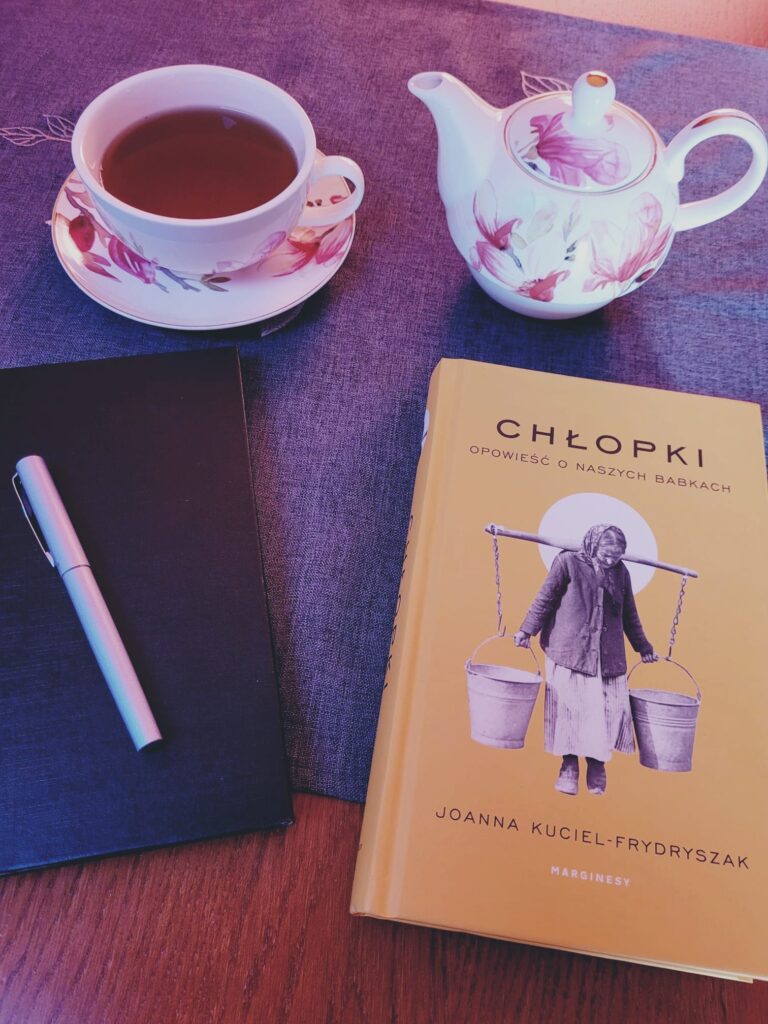
„Chłopki” Joanny Kuciel-Frydryszak to książka, o której od momentu publikacji jest tak głośno, że nie potrzebuje właściwie rekomendacji. Mimo to, wybrałam ją jako idealnie wpasowującą się w temat kobiecej siły.
Praca Joanny Kuciel-Frydryszak ma solidne fundamenty merytoryczne. Pisząc książkę, autorka opierała się tak na publikacjach naukowych, indywidualnych zapiskach ludzi żyjących w pierwszej połowie dwudziestego wieku, jak i relacjach ich współcześnie żyjących potomków. Uważam „Chłopki” za ogromnie istotne źródło wiedzy nie tylko na temat sytuacji kobiet, ale ogólnie: ludzi zamieszkujących wieś ponad sto lat temu. Lektura uzmysławia nam, w jak trudnych warunkach chłopi musieli egzystować, jak ogromna bieda ich dotykała i jak bezradni często bywali w obliczu krzywd i nieszczęść. Książka uświadamia nam też, gdzie są nasze źródła, nasze dziedzictwo, skąd się wzięły niektóre postawy naszych matek i babek. Dzięki temu możemy dziś lepiej je zrozumieć i spojrzeć na nie z empatią oraz wdzięcznością.
„Chłopki” to lektura wymagająca czasu (ponad 400 stron), ale też poświęcenia swojego spokoju i komfortu. To opowieść wstrząsająca, nie tylko ze względu na samą treść, ale też na świadomość, że naprawdę tak było, że to nie fikcja.
Cytat: „Dla chłopów buty to symbol godności. Ale dla wielu naszych bohaterek to jeszcze inna sprawa. Dla nich buty oznaczają wolność.”
‘Peasant Women’ by Joanna Kuciel-Frydryszak
‘Peasant Women’ by Joanna Kuciel-Frydryszak – about women’s fates that are difficult to believe but necessary to realize
‘Peasant Women’ by Joanna Kuciel-Frydryszak is a book which has gained such fame since the very moment of its publication that it actually does not need any recommendations. However, I chose it because it is in my view an excellent example of feminine strength.
Kuciel-Frydryszak’s work has solid substantive foundation. While writing the book, the author relied on scientific publications, individual notes of the people inhabiting the countryside in the first half of the twentieth century and their currently living descendants’ records. I am convinced that the book provides an important source of knowledge concerning the situation of not only the women, but generally: the people living in the rural areas of Poland over a hundred years ago. The book makes the reader realize the enormously hard conditions the peasants had to cope with, the great poverty that they experienced and their frequent hopelessness in the face of harms and miseries. The work is also a reminder of our ancestry and the roots of some of our mothers’ and grandmothers’ behaviours. As a result, today we can understand them better and look at them with compassion as well as gratitude.
‘Peasant women’ is a work that requires time (over 400 pages) as well as the sacrifice of our peace and well-being. This is a harrowing book not only on account of its content but also the awareness that it is not fiction, but it was the truth.
Quote: ‘For peasant men shoes symbolised dignity. But for many our heroines it was yet another matter. For them shoes meant freedom.’