„Pałac” Wiesława Myśliwskiego: mniej znana, ale fascynująca powieść – analiza narracji i kontekstu historycznego
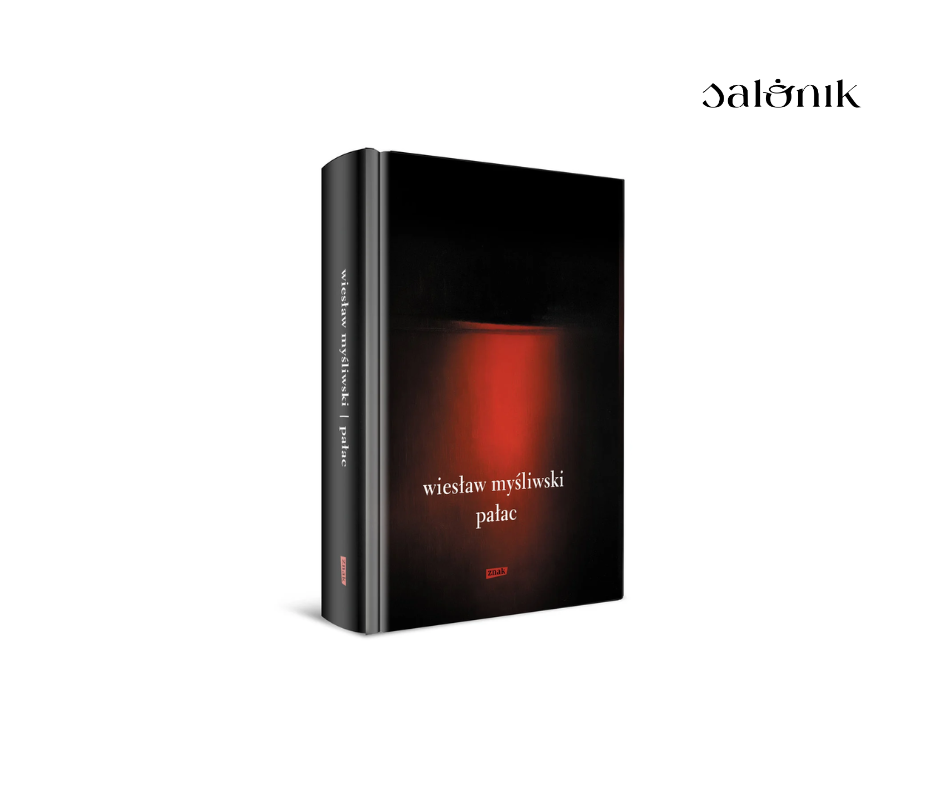
Wiesław Myśliwski – „Pałac” (English translation: 'The Palace’); wyd. Muza
[PL] „Pałac” Najbardziej chyba znanym dziełem Wiesława Myśliwskiego jest „Traktat o łuskaniu fasoli”. Ja również byłam zauroczona tą powieścią, ale dziś chciałabym napisać o mniej znanej, a też bardzo ciekawej książce Myśliwskiego pt. „Pałac”. To, co wyróżnia dzieła tego pisarza, to sposób prowadzenia narracji. Jest to narracja pierwszoosobowa, ale w przypadku powieści „Pałac”, narratorzy się zmieniają i to w trudnych do uchwycenia momentach. Czytelnik ma wrażenie, że słucha szlachcica, a już po chwili czyta w myślach parobka. Narracja jest w powieściach Myśliwskiego fenomenem i absolutnym majstersztykiem. Wydaje się ona skupiać na sobie więcej uwagi czytelnika niż same poruszane wątki.
Atutem powieści „Pałac” jest również język – stylizowany na ten używany w czasach, w jakich powieść jest osadzona. Bogaty, dynamiczny, pełen powiedzeń, powtórzeń, porównań, dodający dramaturgii i tak tragicznym samym w sobie wydarzeniom. Narratorzy opowiadają o życiu panów i ich poddanych w sposób spokojny i swobodny, co tylko podkreśla tragizm ludzkich losów. Dlatego „Pałac” z jednej strony zachwyca – szczególnie warstwą językową. Natomiast z drugiej dogłębnie porusza czytelnikowi pewne procesy związane z życiem w dawnej Polsce, a może i we współczesnej?
[ENG] 'The Palace’ The best-known of Wiesław Myśliwski’s works is probably „Traktat o łuskaniu fasoli”. I have been enchanted with it as well but today I would like to write about a less popular while still captivating book by this author, namely „Pałac”. What distinguishes Myśliwski’s works is the way of narrating his stories. Although it is first-person narrative, in case of „Pałac” narrators change and it is at times difficult to notice when. A reader has the impression that he/she is listening to a nobleman and a moment later he/she is reading a farmhand’s mind. Narrative is in Myśliwski’s novel a phenomenon and an absolute masterpiece. It seems to attract reader’s attention more than the plot.
Another strength of the book is the language – stylized on the one used in times presented in the novel. Rich, dynamic, full of proverbs, repetitions, similes and adding dramatic flair to the tragic events depicted in this work. The narrators talk about the lives of both noblemen and their servants in a calm and casual manner, which emphasizes the tragical dimensions of human fate. Therefore, „Pałac”, especially its linguistic layer, on the one hand delights a reader and on the other hand deeply moves. The novel makes readers realise some processes connected with life in Poland in the past, and maybe in the present as well?
„Nocami Krzyczą Sarny” Katarzyny Zyskowskiej – wciągająca powieść łącząca historię z mistyką
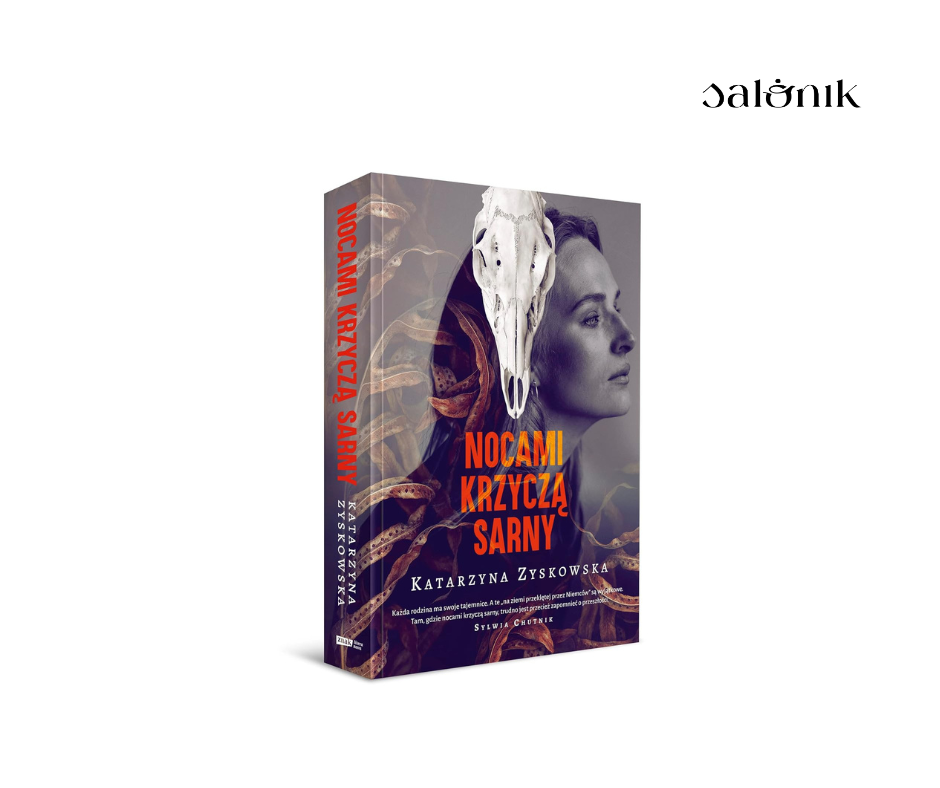
Katarzyna Zyskowska – „Nocami krzyczą sarny” (no English translation); wyd. Znak Literanova
[PL] „Nocami krzyczą sarny” Powieść zaczyna się od epilogu, który jednak pełni rolę wprowadzenia do historii, a nie jej wyjaśnienia. Książka na jeden, góra dwa wieczory, ponieważ trudno ją odłożyć i po prostu pójść spać. Dzieło łączące przeszłość z teraźniejszością, przekonujące, że między losami poszczególnych pokoleń istnieje więź, wspólny element. W jednej książce znajdujemy opowieści z czasów drugiej wojny światowej, wzmianki o rzezi wołyńskiej. Losy ludzi żyjących w czasach komunistycznych i w świecie współczesnym. Są to głównie historie czterech kobiet, ale losy ludzi z ich otoczenia wcale nie są tłem. Przejmują równie głęboko, niejednokrotnie wręcz wstrząsają czytelnikiem.
Powieść wielowymiarowa również z powodu przenikania się świata realnego ze światem duchów. Powieść mówi o przeszłości, przekleństwa rzuconego dawniej na surowe tereny Gór Sowich. Wszystkie te elementy składają się na utwór wyjątkowy, trzymający w napięciu i uświadamiający. Pokazuje jak bardzo mylne mogą być nasze osądy, jak powierzchowne przyczyny naszych uprzedzeń wobec innych.
[ENG] „Nocami krzyczą sarny” A novel beginning with an epilogue which introduces readers to the story, but does not provide an explanation of it. A book to be read in an evening or two because it is so diffcult to put it aside and simply fall asleep. It is a novel connecting the past with the present, persuading the readers that there is a link, an element common for particular generations’ fates. In one book we can find stories from the second world war, mentions of slaughter in Volhynia and tales about people from the communist as well as present times. These are mainly four women’s fates but the stories of people from their surroundings do not constitute a background since they are equally, if not more, startling.
The novel is multilayered on account of the real world permeated by the spiritual one, with spirits from the past and the curse inflicted upon the severe areas of the Owl Mountains. All the above-mentioned elements make up a unique and suspenseful book. The novel makes readers aware how wrong our judgements can be and how shallow the roots of our prejudices against the others sometimes are.