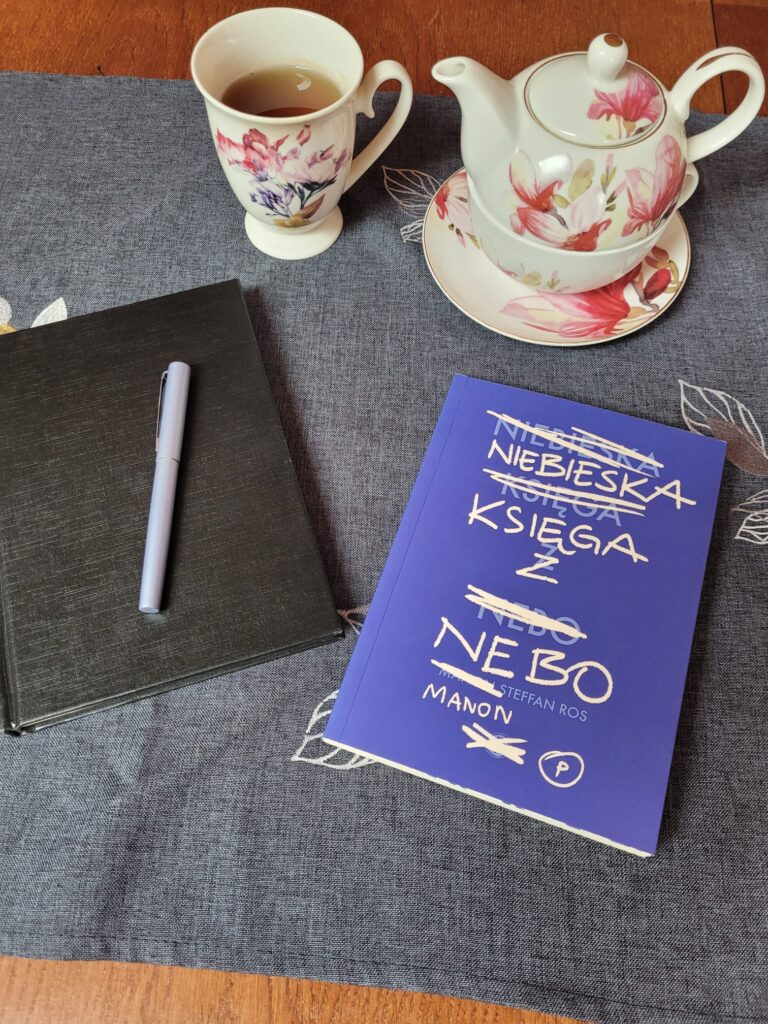
„Niebieska księga z Nebo” Manon Steffan Ros, wyd. Pauza
„Niebieska księga z Nebo” ─ koniec wszystkiego i co dalej?
„Niebieska księga z Nebo” Manon Steffan Ros opowiada historię Rowanny, jej nastoletniego syna Siona i malutkiej córeczki Dwynen, zamieszkujących nieduży domek w walijskiej wiosce. Kilka lat wcześniej na pobliską wyspę, podobnie ja na kilka innych miejsc w Wielkiej Brytanii, zostały zrzucone bomby, co spowodowało katastrofę klimatyczną i ekologiczną. Rodzina próbuje przetrwać, samodzielnie hodując warzywa oraz polując; własnymi siłami remontuje dom, niszczony przez silne ulewy i burze. W wolnych chwilach Rowenna i Sion czytają, matka opowiada chłopcu o czasach sprzed Kresu, jak nazywany jest ten kataklizm.
Powieść skonstruowana jest z opowieści Rowanny o czasach sprzed katastrofy oraz relacji Siona dotyczącej ich życia już po Kresie. Trudno czytać tę książkę jako fantastyczną, z każdą kolejną stroną ta wizja apokalipsy wydaje się coraz bardziej prawdopodobna. Opisy opustoszałych i zniszczonych miejsc, ogromnych zmian klimatycznych i wynaturzeń spowodowanych przez wybuch bomby są przerażające. A jednak kiedy pojawia się nadzieja na powrót do dawnego świata, bohaterom ciężko wykrzesać z siebie entuzjazm. Zastanawiają się, która rzeczywistość jest im bliższa, która jest ich i w której są naprawdę sobą.
Niewielka objętościowo powieść została w Walii obsypana nagrodami. Warto po nią sięgnąć choćby po to, by wyjść z domu, spojrzeć na otaczający nas świat i poczuć wdzięczność.
Cytat: „I jeszcze to, że dostrzega się urodę świata. Teraz jest bardziej piękna niż przed Kresem. Albo i nie. Nic się nie zmieniło, tylko my przejrzeliśmy na oczy.”
‘The Blue Book of Nebo’ by Manon Steffan Ros
‘The Blue Book of Nebo’ – the end of everything and what next?
‘The Blue Book of Nebo’ by Manon Steffan Ros tells a story of Rowanna, her teen son Sion and her little daughter Dwynen, inhabiting a small house in a Welsh village. A few years earlier, a bomb wa dropped on a nearby Island and likewise on a few other places in Great Britain, which caused both a climatic and ecological catastrophy. The family attempts to survive by growing vegetables, hunting and repairing their house which is frequently damaged by heavy falls and dangerous storms. In their spare time Rowanna and Sion read, the mother tells the boy about the life before the cataclysm, referred to as the End.
The novel is made up of Rowanna’s stories from the time before the disaster and Sion’s relations depicting the family’s life after the End. It is difficult to treat the book as a fantasy novel since with each following page this apocalyptic vision seems more and more probable. The depictions of abandoned and dilapidated places, huge climate changes and degenerations caused by the bomb’s explosion are horryfying. However, when there appears hope for the return to the previous world, the heroes find it difficult to muster up enthusiasm. They Wonder which reality is closer to them, which one is theirs and in which they are truly themselves.
The relatively small in volume novel received numerous awards in Wales. It is worth reading at least for the purpose of going outside, seeing the world around and feel gratitude.
Quote: ‘And you also notice the beauty of the world. It is more lovely than before the End. Or not. Nothing has changed, it’s just that we have opened our eyes.’
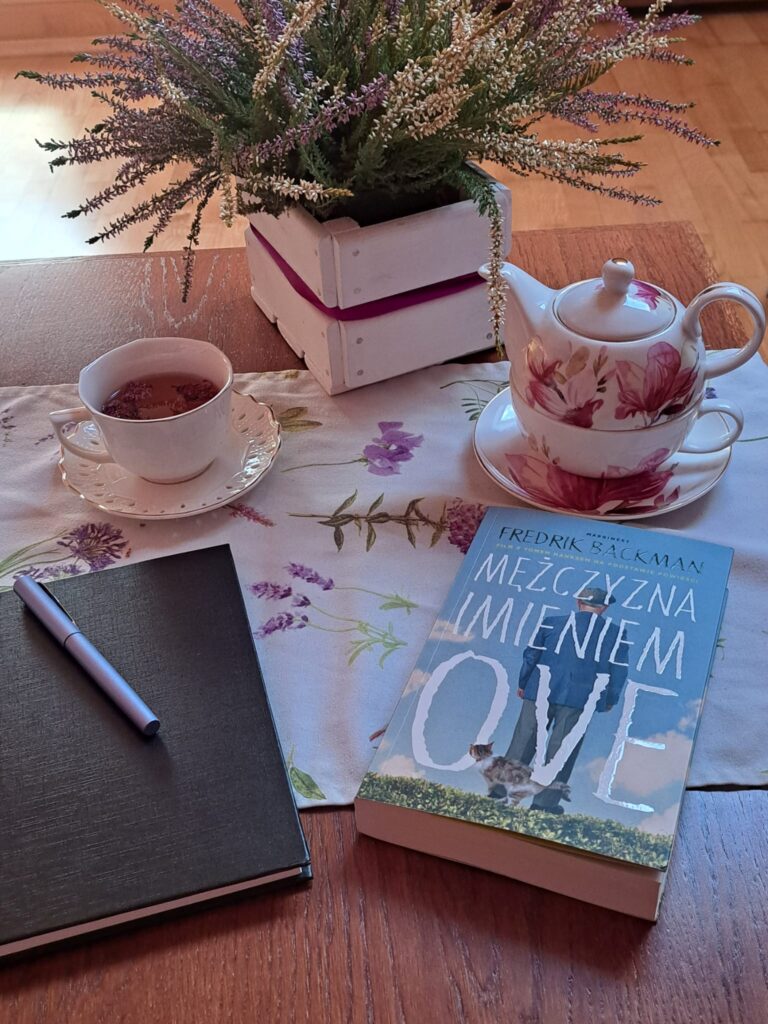
„Mężczyzna imieniem Ove”, Fredrik Backman, wyd. Marginesy
„Mężczyzna imieniem Ove” ─ humorystyczna powieść o człowieku z zasadami i jego wielkiej miłości
„Mężczyzna imieniem Ove” Fredrika Backmana po raz pierwszy wydana była dość dawno i zekranizowana dwa razy: w 2015 i 2022 roku. I właśnie dzięki tej drugiej ekranizacji na nowo zrobiło się o niej głośno. Książka wydaje się początkowo lekką i przyjemną lekturą, wartą przeczytania dla rozrywki, choćby z racji wiecznie niezadowolonego i czepiającego się wszystkiego samotnego starszego pana. Kolejne rozdziały odkrywają niełatwą młodość tytułowego Ove i rzucają światło na czynniki kształtujące jego sztywne podejście do zasad. Momentami powieść rozśmiesza do łez, momentami wzrusza. Pięknie opowiada o miłości, przyjaźnie i transformacji głównego bohatera, który w wyniku nieoczekiwanych wydarzeń coraz bardziej otwiera się na innych.
Powieść napisana bardzo klarownym, humorystycznym językiem, świetnie się czyta. Po raz kolejny przypomina, że nie warto oceniać po pozorach, ponieważ zachowanie innych to często pokłosie ich trudnych doświadczeń. Przywraca wiarę w dobro, które tkwi w ludziach czasem potrzeba czasu i wysiłku, by je dostrzec, a przede wszystkim: ludzi i okoliczności, be je z innych wykrzesać.
Cytat: „Śmierć to przedziwna sprawa. (…) Lękamy się jej, choć większość z nas najbardziej boi się tego, że śmierć dotknie kogoś innego, a nie nas. Bo największy lęk związany ze śmiercią to ten, że może nas pominąć i zostawić całkiem samych.”
‘A Man Called Ove’ by Fredrik Backman
‘A Man Called Ove’ ─ an amusing story of a man of principles and his great love
‘A Man Called Ove’ by Fredrik Backman was first published a long time ago and adapted for film twice: in 2015 and 2022. And with this second screening there has been a lot of talk about it again. The book appears to make good light reading at first, worth reading just for entertainment, at least because of the ever-unhappy and always nitpicking lonely elderly man Ove. Next chapters unveil the protagonist’s hard youth and shed light on the conditions that shaped his inflexible approach to rules. At times, the novel makes us cry with laughter, at times it touches deeply. The book in a beautiful way describes love, friendship and the transformation of the protagonist who due to some unexpected events opens up to others.
The novel is written in a clear and humorous language, it is great to read. It reminds us once again that it is not worth judging by appearances since other people’s behaviour is often the aftermath of their tough experiences. The book restores faith in goodness which is ingrained in humans. Frequently, it takes time and effort to notice it and most importantly ─ people and circumstances are necessary to spark it.
Quote: ‘Death is a strange thing. (…) We fear it, yet most of us fear more than anything that it may take someone other than ourselves. For the greatest fear of death is always that it will pass us by. And leave us there alone.’