

„Moja matka pestka” ─ trudne doświadczenie opieki nad rodzicem z chorobą Alzheimera,
które niesie za sobą koniec i początek
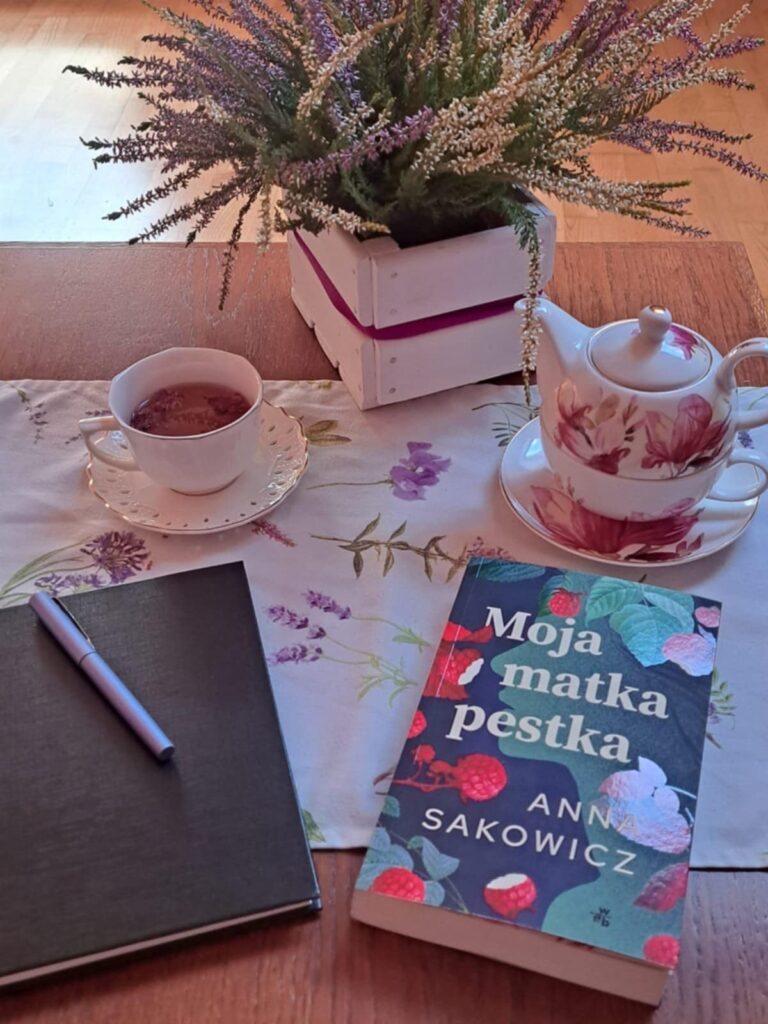
„Moja matka pestka” to oparta na osobistych doświadczeniach autorki opowieść o trudnej
opiece nad osobą cierpiącą na chorobę Alzheimera. Opiece tym trudniejszej, że trzeba nią
otoczyć rodzica, od którego główna bohaterka książki uciekła w wieku osiemnastu lat.
Realizm, z jakim autorka opisuje konsekwencje choroby tak dla samej chorej, jak i dla jej
otoczenia, momentami poraża, ale taka dosłowność w mówieniu o tej chorobie wydaje się
współcześnie bardzo potrzebna.
Powieść porusza również inne kwestie, jak choćby trwałość przyjaźni czy miłości w obliczu
próby, czy subiektywizm naszej oceny postępowania innych ludzi, często bez wiedzy o ich
bagażu doświadczeń życiowych. Zachęca też do zastanowienia się nad tym, czy to, co dziś
wydaje się tragedią, jutro nie okaże się błogosławieństwem. Pokazuje, jak kruche mogą być
fundamenty pozornego szczęścia, a jak trwałe mogą okazać się te budowane na trudnych
doświadczeniach.
Powieść Sakowicz doceniam za jej autentyczny przekaz dotyczący choroby Alzheimera, ale i
natury ludzkiej ─ złożonej, nieoczywistej i często nieprzewidywalnej. Za potrzebny głos na
temat troski o ludzi starszych, ale też o siebie nawzajem.
Cytat: „Uświadomiła sobie, że w życiu pewna jest jedynie przeszłość. Już zapisana, przeżyta
i odhaczona, za to przyszłość, malująca się przed nią w ciemnych barwach, była okryta
tajemnicą, spod której wszystkimi szczelinami sączył się strach, dlatego nie była przekonana,
czy chce ją poznać.”
‘My mother seed’ ─ difficult experience of taking care of a parent with Alzheimer disease and
the ending as well as the beginning that are brought with it
‘My mother seed’ is a story of demanding caring for a person suffering form Alzheimer’s
disease, based on the author’s personal experience. The care is even tougher because it
has to be given to a parent from whom the protagonist actually got away at the age of
eighteen. The realism of the writer’s depiction of the consequences of the disease both for
the parent and for her surroundings may at times shock. However, literalism in the discussion
about the disease seems necessary nowadays.
The novel raises other issues as well, for instance the immutability of friendship or love
facing trial or the subjectivism while judging people’s behaviour, frequently without any
knowledge concerning their baggage of life experiences. Moreover, the book encourages its
readers to reflect whether what today appears to be a tragedy will not turn out to be a
blessing tomorrow. It shows the fragility of the foundations of apparent happiness and the
solidity of those built on hard experience.
I appreciate Sakowicz’s work for its authentic message concerning both Alzheimer’s disease
and human nature ─ complex, non-obvious and often unpredictable. Also, for the voice
raised about the caring for the elderly as well as looking after each other.
Quote: ‘I realised that only the past is guaranteed in life. Already recorded, lived and ticked
off, whereas the future outlining in front of her in dark colours was shrouded in mystery from
which turmoil trickled through all slots. Therefore, she was not convinced that she wanted to
know it.’
„Matki i córki” ─ opowieść o macierzyństwie w bardzo nieoczywistym i oryginalnym ujęciu
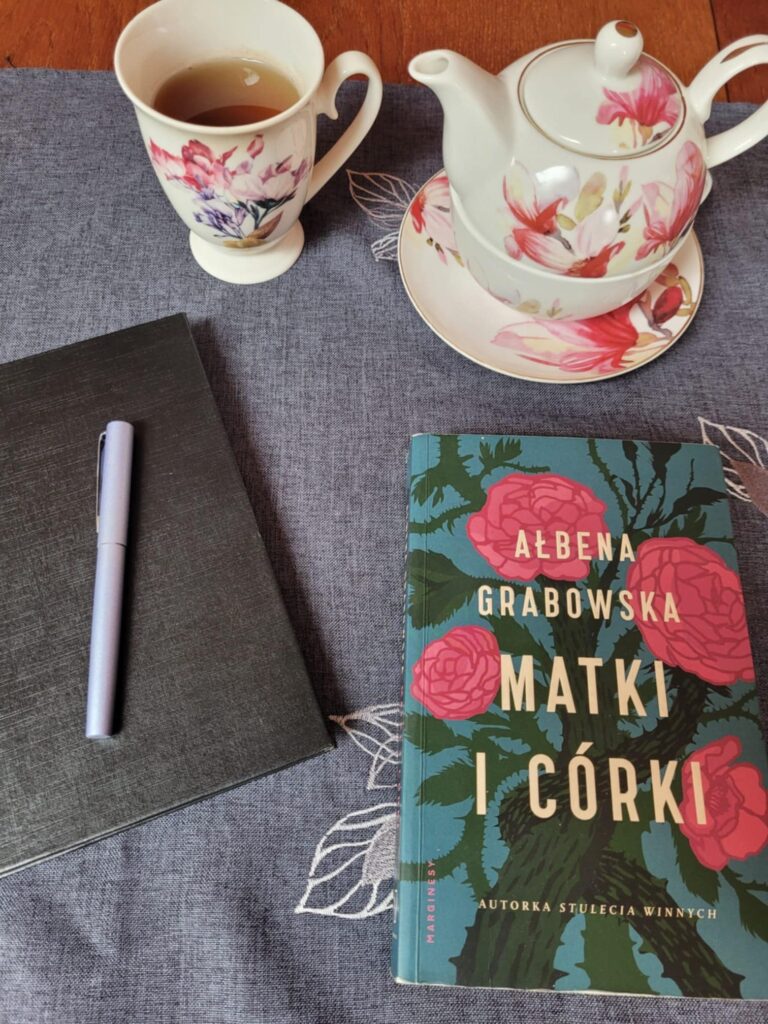
„Matki i córki” Ałbeny Grabowskiej to historia rodziny złożonej z samych kobiet. Prababka,
Maria, przeżyła dramat zsyłki na Syberię, a więc również głodu, zimna, śmiertelnych chorób i
osamotnienia. Babka, Sabina, żyła z traumą obozu w Ravensbruck, koszmaru
eksperymentów medycznych i egzystencji w ciągłym zagrożeniu utraty życia. Matka, Maria,
panna samotnie wychowująca córkę w realiach PRL-u. W tej rodzinie dorasta Lila, a
właściwie Paulina, która po śmierci prababki i babki ciągle doświadcza ich duchowej
obecności. Lila próbuje poznać losy swoich przodkiń, ponieważ czuje, że ich opowieści nie
są kompletne, zawierają w sobie nieścisłości i tajemnice.
Powieść Grabowskiej porusza realistycznymi opisami dramatycznych wydarzeń, które stały
się udziałem bohaterek. Zaskakuje też prawdą o ich losach, która jest stopniowo odkrywana
przez czytelnika dzięki relacjom kobiet. Większość z tego, co wydawało się prawdą, okazuje
się jedynie pozorem, budowaną latami mistyfikacją. Zakończenie jest więc dla czytelnika
absolutnym zaskoczeniem, szczególnie w kontekście tytułu powieści.
Cytat: „Moja historia. Tak znana, że o niej zapomniałam. Tak znana, że nieznana. Każdy
umie ją opowiedzieć, nikt jej nie rozumie.”
‘Mothers and Daughters’ ─ a story about motherhood from an absolutely unique and non-
obvious perspective
‘Mothers and Daughters’ by Ałbena Grabowska constitutes a story of a family made up of
women only. The great-grandmother, Maria, experienced the drama of the deportation to
Siberia, which meant hunger, coldness, deadly diseases and loneliness. The grandmother,
Sabina, lived with the trauma of the Ravensbruck camp, the nightmare of medical
experiments and the existence in the permanent death threat. The mother, Maria, a maid
and a single parent in the PRL reality. This is the family Lila, actually Paulina, grows up in.
After her great-grandmother’s and grandmother’s death she frequently experiences their
spiritual presence. Lila tries to learn the fates of her ancestors since she feels their stories
are not complete and include some inaccuracies as well as secrets.
Ałbena Grabowska’s novel moves with realistic descriptions of dramatic events in which the
main characters participated. Furthermore, the book surprises with the truth concerning their
fates, which is gradually unveiled by the reader owing to their relations. Majority of what
seemed to be true turns out to be only a guise, a mystification built throughout years. Thus,
the ending is absolutely astonishing for the reader, particularly in the context of the book’s
title.
Quote: ‘My story. So well-known that I have forgotten about it. So well-known that unknown.
Everyone can tell it, no one understands it.’
Chcesz uczyć się angielskiego jeszcze więcej? Wskakuj do naszego mailingowego salonu językowego.